Home › Commercial Gravel-to-Asphalt Conversions
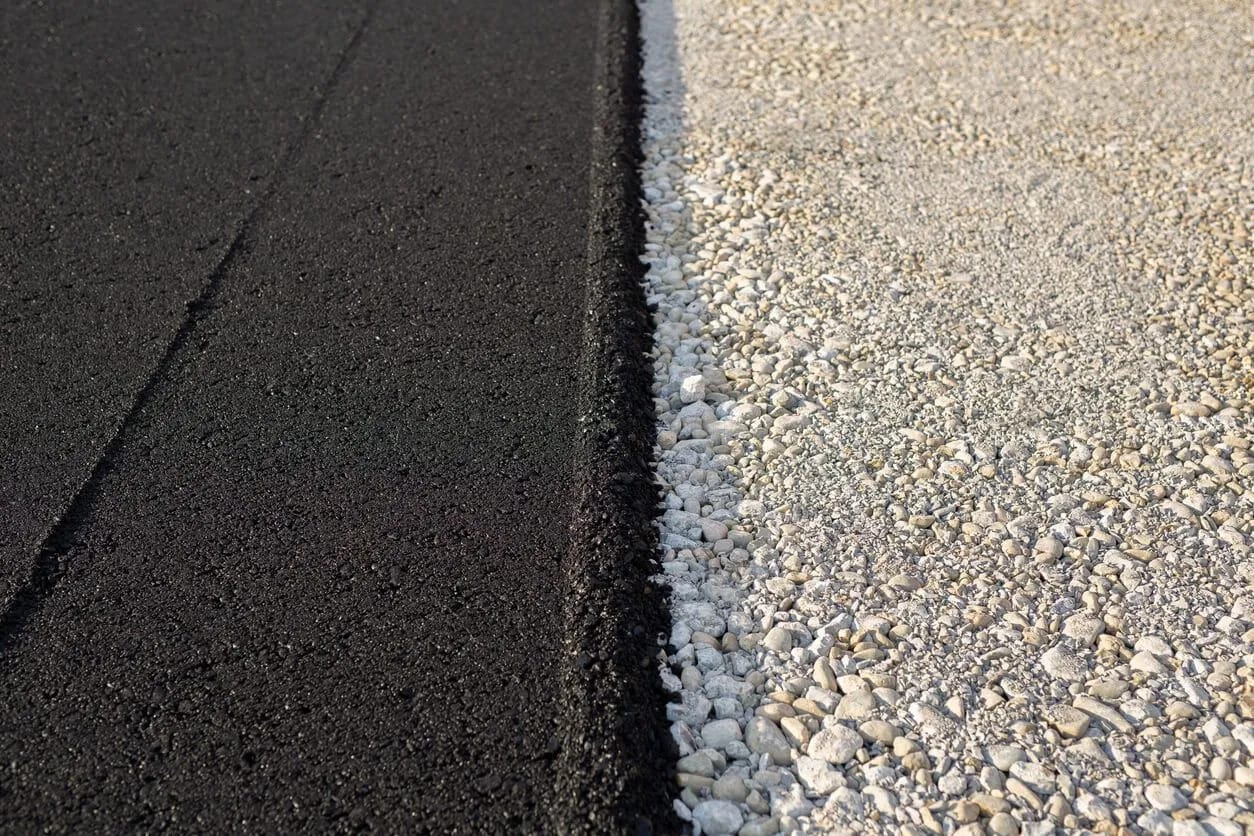
Upgrade dusty, rutted lots with commercial gravel to asphalt services in Lubbock, TX. We convert gravel parking areas and drives into durable asphalt surfaces for cleaner access. Our team evaluates base conditions, drainage, and traffic needs to design the right pavement section. Request a site visit and custom quote for converting your gravel surface to asphalt.
Precision Asphalt Lubbock provides professional commercial gravel to asphalt throughout Lubbock, TX, Texas and the surrounding area. Our licensed, insured crew delivers safe, clean, on-time work with a free estimate before anything begins. Call (806) 230-5982 or request your free quote.
Commercial Gravel-to-Asphalt Conversions in Lubbock, TX
When a gravel lot starts costing you time and money in dust control, vehicle damage, and constant grading, converting to asphalt is usually the smartest long-term move. Precision Asphalt Lubbock specializes in commercial gravel-to-asphalt conversions that are engineered for West Texas soils and weather, not just copied from a generic spec book.
Our team focuses on business properties that see real traffic: shopping centers, medical offices, churches, warehouses, industrial yards, and multi-tenant complexes. We look at how your customers and trucks actually use the space, then design a pavement section that fits that use rather than a one-size-fits-all asphalt thickness.
From the first site visit, we are looking for issues that many contractors ignore: where water actually flows during a storm, how soft the subgrade feels under the existing gravel, where heavy delivery trucks track in from the alley, and what parts of the lot are sinking or pumping mud after a rain. Those details drive how your new asphalt will perform in Lubbock’s hot summers, wind, and occasional freeze-thaw cycles.
Step 1: Site Evaluation and Gravel Lot Assessment
A successful commercial gravel-to-asphalt conversion starts with a careful evaluation of what is already there. Precision Asphalt Lubbock sends an estimator who understands both paving and drainage, not just a salesperson with a tape measure.
We measure the existing gravel depth in multiple locations, not just one or two spots. In Lubbock, we often find 2 to 4 inches of mixed caliche and gravel over native clay. That may be enough for light vehicle parking, but not for regular semi traffic or garbage trucks. We also use probing rods to check for soft pockets where water has been trapped under the gravel.
Drainage is a major focus. Because the South Plains are relatively flat, water tends to sit in low spots or run along access drives toward 82nd, 50th, or the alley. We check how the lot drains now and where standing water shows up after normal thunderstorms. If a section of your gravel lot turns into a mud pit after every rain, paving over it without regrading will simply move that water problem to the surface.
We also look at current access points, ADA routes to building entries, dumpster approaches, and loading dock areas. These details determine where we may need thicker asphalt, reinforced base, or concrete pads to avoid premature failure once the gravel is replaced.
Step 2: Design, Thickness, and Material Options
After the assessment, Precision Asphalt Lubbock develops a pavement design that matches your traffic and budget. We consider three main structural components: the prepared subgrade, the base layer, and the asphalt surface.
For light-duty parking (office staff lots, small retail), a typical section might be 6 inches of compacted base over a proof-rolled subgrade, topped with 2 to 2.5 inches of hot mix asphalt. For heavier-duty areas (grocery stores, freight docks, restaurant drive-thrus, and dumpster pads), we often recommend 8 inches or more of base and 3 inches or more of asphalt, sometimes in two lifts for added strength.
You can choose surface mix types based on use. For general commercial parking in Lubbock, a dense-graded hot mix with 3/8 inch aggregate usually balances smoothness, durability, and cost. In high-heat, high-turn areas like drive-thru lanes, we may recommend mixes with higher quality aggregate and binder content that better handle rutting under West Texas summer temperatures.
We also discuss layout and striping in this phase. A conversion project is the ideal time to correct poor traffic flow from the old gravel layout. We can reconfigure drives to reduce tight turns for delivery trucks, add or move accessible parking near entrances, or increase stall count by adjusting striping angles. The design stage is where you lock in those improvements before any asphalt is placed.
Step 3: Site Preparation, Grading, and Base Construction
Most of the long-term performance of a commercial gravel-to-asphalt project in Lubbock is decided before the first ton of asphalt hits the ground. Precision Asphalt Lubbock invests time in site preparation so the finished pavement does not crack or rut prematurely.
We start by shaping and reusing existing gravel when possible. Often we can regrade your current material to establish proper slopes of at least 1 to 2 percent away from buildings and toward appropriate drainage points. If the existing gravel is too thin, contaminated with topsoil, or pumping mud, we remove or scarify it and replace it with a high-quality crushed base material compatible with local clay soils.
Subgrade proof-rolling is an important step that some contractors skip. We drive a loaded piece of equipment over the prepared subgrade to identify soft spots. Any areas that deflect or pump are undercut and replaced with suitable compacted material. This matters especially in Lubbock where localized seeps or past utility trench lines can form weak strips below your lot.
We then compact the base in controlled lifts using vibratory rollers suited to the thickness and moisture content. In our climate, working at proper moisture is critical. Too dry and the base will not lock up. Too wet and it will later settle. Our crews monitor and adjust moisture so compaction meets density requirements, which directly affects how your asphalt performs once traffic starts.
Step 4: Asphalt Paving, Compaction, and Finishing Work
Once the base is set, we schedule asphalt placement based on Lubbock weather patterns. Ideal conditions are warm and dry, typically from late spring through early fall. We avoid placing asphalt right before expected heavy rains or during strong cold fronts, since both can reduce compaction and surface quality.
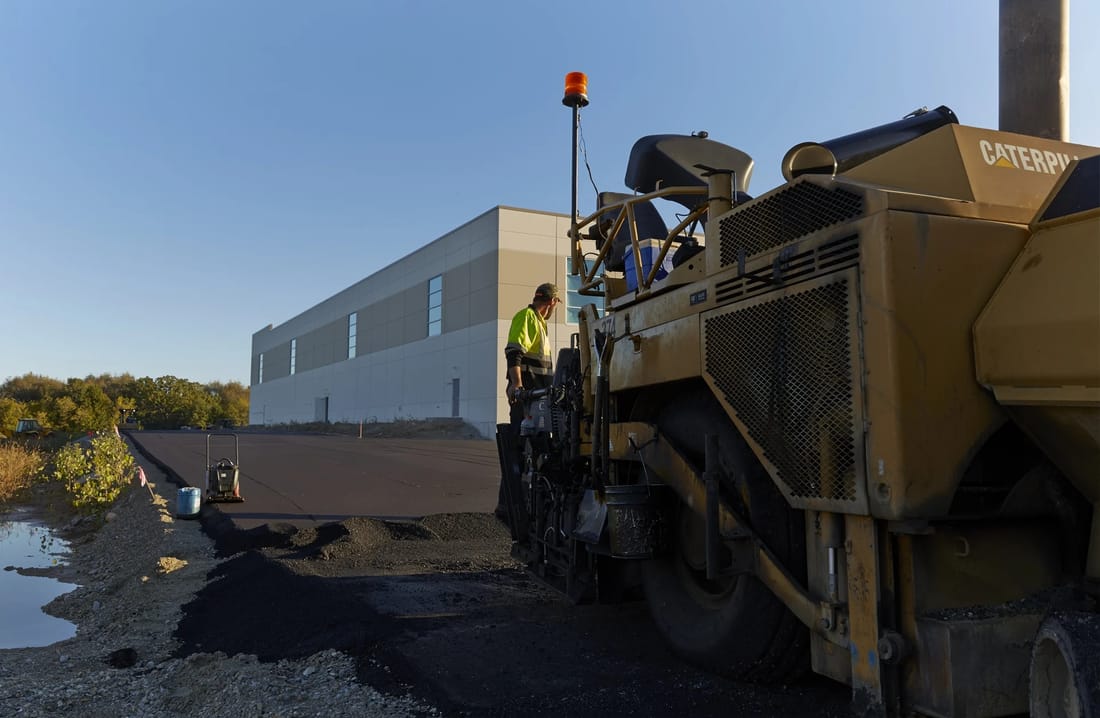
Precision Asphalt Lubbock uses commercial-grade paving machines to place asphalt in a uniform mat. For thicker sections, we may pave in two lifts. The first lift focuses on structural strength, and the second lift provides the final smooth surface. Joints, especially where new asphalt meets existing concrete or asphalt at entrances, are carefully keyed and sealed to prevent water infiltration.
Compaction is done immediately after placement using steel drum and pneumatic rollers in a specified rolling pattern. Adequate compaction is what turns hot mix into a dense, durable surface that resists rutting from delivery trucks and high summer temperatures. Our crew checks joints, transitions into streets, and around inlets or manholes for smoothness and bond.
After paving, we allow curing time before striping and opening to traffic. On commercial lots we typically stripe within 24 hours, weather permitting, then reopen in stages so tenants can keep operating during the conversion. We coordinate phasing with you so businesses on site stay accessible through the entire project.
Costs, Common Problems, and How We Address Them
The cost of a commercial gravel-to-asphalt conversion in Lubbock depends mainly on three factors: the condition of the existing gravel and subgrade, the required asphalt and base thickness, and the complexity of drainage and layout improvements.
If your gravel lot has a strong, well-compacted base and good elevation relative to surrounding streets, costs are usually lower, since we can rework and supplement existing material instead of a full rebuild. If we discover widespread soft clay, poor drainage, or past failures like deep ruts and ponding, we will recommend additional base work and grading. This adds to the upfront cost but prevents expensive structural failures later.
Common issues we see are standing water near building entrances, soft spots where trucks turn or stop, and edges that crumble along alleys or adjacent gravel drive lanes. Precision Asphalt Lubbock addresses these by adjusting grades, adding structural thickness where trucks operate, and reinforcing edges with thicker asphalt or concrete returns where needed.
Lubbock’s climate also influences cost and design. High UV exposure and heat can age the asphalt binder faster, so mix selection and occasional sealcoats over the life of the pavement are important. Freeze-thaw is less severe here than in northern states, but we still design to limit water trapped under the pavement, since even occasional freezes can aggravate cracking if drainage is poor.
We provide itemized proposals that clearly separate base work, asphalt placement, striping, and any concrete or drainage improvements so you can see exactly where your investment is going.
What Lubbock Commercial Property Owners Should Know Before Hiring
Before you choose a contractor for a commercial gravel-to-asphalt conversion, there are several questions that will protect your investment.
Ask how they evaluate existing gravel and subgrade, and whether they will perform proof-rolling or just “pave over what is there.” For Lubbock properties, you want someone who understands local clays, caliche, and city drainage standards. Precision Asphalt Lubbock routinely works with property managers, HOAs, and business owners and can coordinate with the City of Lubbock when permits or drainage reviews are needed.
Confirm what pavement section they are proposing in different traffic areas. Heavy truck lanes and dumpster approaches should not have the same design as light car parking. Your proposal should spell out base thickness, asphalt thickness, and mix types, not just say “pave lot.”
Timing also matters. In our region, the best window for major paving is usually March through October, with some flexibility based on actual weather. If you have a retail center or high-traffic site, we can phase work to keep at least part of the lot open. Night or weekend work is sometimes used to minimize customer disruption.
Finally, discuss maintenance. A well-built gravel-to-asphalt conversion should not need structural work for many years, but basic care like prompt crack sealing, periodic sealcoating when appropriate, and restriping will extend its life and keep the property looking professional. Precision Asphalt Lubbock can set up a simple maintenance plan tailored to your specific lot conditions and traffic patterns.