Home › Asphalt Pathways, Sidewalks, and Trails
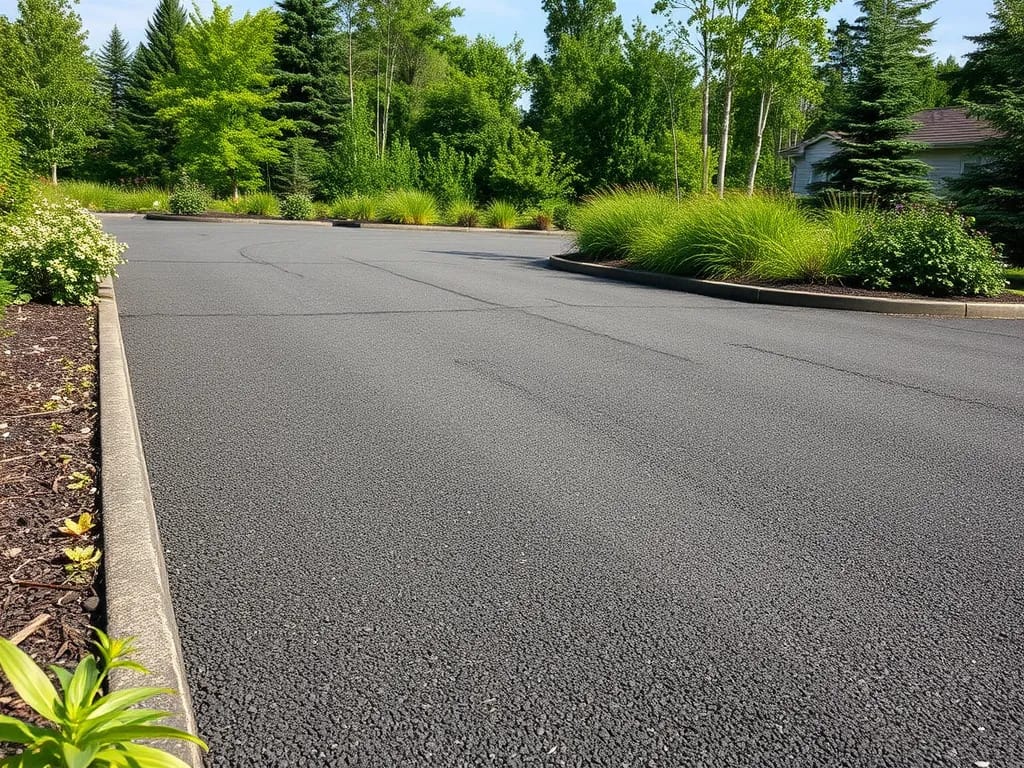
Connect your property with smooth asphalt pathway paving in Lubbock, TX. We build sidewalks, walking loops, and multi use trails for parks, schools, and HOAs. Our designs account for accessibility, grades, and drainage to create safe comfortable routes. Reach out to discuss layout options and get a detailed trail paving proposal.
Precision Asphalt Lubbock provides professional asphalt pathway paving throughout Lubbock, TX, Texas and the surrounding area. Our licensed, insured crew delivers safe, clean, on-time work with a free estimate before anything begins. Call (806) 230-5982 or request your free quote.
Durable Asphalt Pathways, Sidewalks, and Trails in Lubbock
Precision Asphalt Lubbock designs and installs asphalt pathways, sidewalks, and trails that hold up to Lubbock traffic, weather, and soils. Whether you need a walking path around a commercial property, a neighborhood sidewalk connection, or a multi use trail for a park, we focus on safe surfaces that last.
Local conditions in Lubbock matter. Our clay based soils expand and contract with moisture, and the wide temperature swings can be tough on poorly built paths. We choose base materials and thicknesses based on what we see on your site, not just a one size plan. For example, a trail near a playa lake or low spot needs deeper base and careful drainage, while a campus sidewalk on firmer ground may not.
From the first visit, we walk the route with you, look at slopes, shade patterns, and existing drainage, then talk through how the asphalt pathway paving will be used. A light use walking trail behind an HOA pool can be built differently than a maintenance access lane that must handle carts or small trucks. That use pattern guides everything that follows, from base depth to asphalt mix and edging choice.
Our Step by Step Asphalt Pathway Paving Process
Every project begins with a site assessment. A Precision Asphalt Lubbock estimator meets you on site, locates utilities, checks soil firmness with simple probe tests, identifies low spots and soft areas, and measures grades. We mark the proposed alignment with paint or flags so you can clearly see where the path will go and how it interacts with landscaping and structures.
Next, we handle excavation and grading. For a typical Lubbock pathway, we remove 6 to 12 inches of soil, depending on traffic and soil conditions. Soft or organic material is dug out deeper and replaced with compactable base. We then shape the subgrade to promote drainage, usually with a gentle crown or a 2 percent cross slope so water runs off the surface instead of ponding.
A crushed aggregate base is placed and compacted in layers using plate compactors and small rollers that can maneuver along curves and tight spaces. Proper compaction here is critical in our freeze thaw cycles, since trapped moisture in a loose base leads to heaving and premature cracking. We only pave once density tests or experienced checks show the base is tight and stable.
Finally, we install the asphalt itself. For pathways and sidewalks, we typically use a fine graded surface mix that creates a smooth, comfortable walking surface. The asphalt is laid with a small paver or hand placed in constrained areas, then compacted with a roller to achieve a uniform surface. Joints, transitions to existing concrete, and tie ins to parking lots are hand finished so there are no trip edges.
Design Choices: Thickness, Layout, and Edging Options
Pathway design is not one thickness fits all. At Precision Asphalt Lubbock, we match the structure to how the path will truly be used. A residential walking path that only sees foot traffic might use 2 to 2.5 inches of asphalt over 4 inches of base. A trail that must handle golf carts, gators, or emergency access may require 3 inches or more of asphalt over 6 to 8 inches of base. For school campuses or hospital grounds where carts and small vehicles are common, we often recommend the heavier option.
Layout decisions affect comfort and durability. We look at line of sight for curves so cyclists and pedestrians can see each other, consider shade and prevailing winds so surfaces are comfortable to use, and set grades to stay within ADA guidelines when required. If snow and ice do appear in winter, modest slopes prevent slick spots from becoming hazardous.
Edging is another key choice. Asphalt can be left with a compacted shoulder for a softer, more natural trail feel, commonly used in parks and greenbelts. In more formal settings, we can install concrete ribbon curbs or steel edging to keep mulch, rock, and turf from washing onto the surface. In neighborhoods where sprinkler overspray is an issue, we may suggest a narrow concrete edge or an extra 6 to 12 inches of crushed rock shoulder so water does not weaken the path edges.
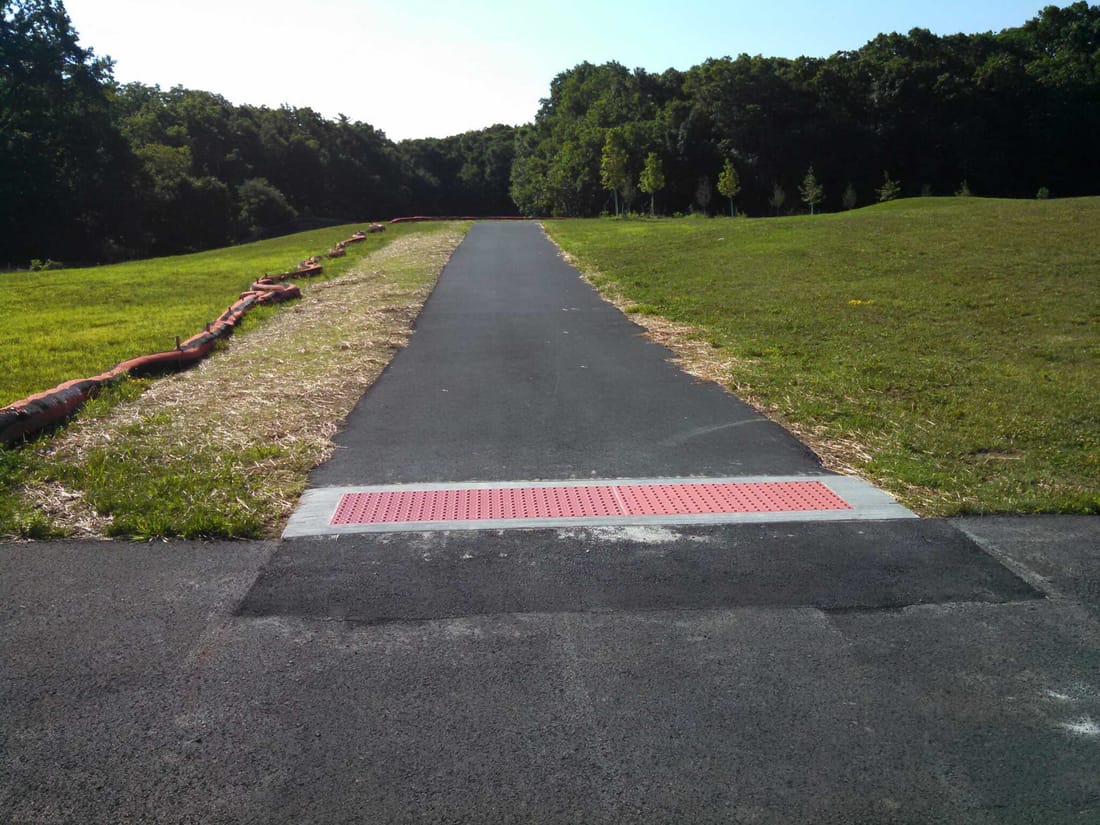
We also discuss color and surface texture. Standard black asphalt is most common, but for high visibility crossings or school zones we can apply specialty seal coats with added aggregate for extra skid resistance and contrast. On heavily shaded paths, we prefer mixes and topcoats that resist algae and remain less slick when damp.
What Drives Cost for Asphalt Pathways, Sidewalks, and Trails
Understanding cost helps you plan and avoid surprises. For asphalt pathway paving in Lubbock, the biggest cost drivers are thickness, total length and width, access for equipment, and how much base preparation is needed.
Thickness and structure come first. A light duty walking path with a modest base uses less material and labor than a multi use trail built for maintenance vehicles. If your path must carry service trucks or emergency vehicles, we will need to design it closer to a light driveway standard, which increases both base and asphalt quantities.
Site access affects equipment choice. If we can get a small paver and roller directly to the path, work is more efficient. Tight backyard gates, trees, fences, or steep slopes may require more hand work and smaller machines, which adds time. In some older Lubbock neighborhoods with narrow alleys or limited side yard access, we plan staging carefully and may phase work to reduce disruption.
Existing ground conditions play a large role. Soft, saturated, or expansive clay soils that pump under foot will require undercutting and replacement with select fill or additional base material. We are upfront about these conditions during the estimate and explain options, such as stabilizing the subgrade with lime or cement when appropriate.
Curves, intersections, and features like drainage crossings or tie ins to concrete ramps also add labor. However, a well thought out layout can often shorten the total length or reduce waste. We frequently offer alternate alignments or slight width adjustments to help meet budget without compromising durability or safety.
Common Problems We Solve on Existing Paths and What to Watch For
Many calls to Precision Asphalt Lubbock involve existing asphalt pathways or sidewalks that are settling, cracking, or holding water. Recognizing early warning signs lets you address issues before they become safety hazards or require full reconstruction.
Ponding water after irrigation or rain is one of the most common issues in Lubbock. Standing water softens the asphalt and base and accelerates cracking. We evaluate whether simple milling and overlay can restore proper slope, or if localized base repair is needed under the low spots. Sometimes adding a small valley drain or re working a short section of grade is enough.
Edge cracking and crumbling usually means either the path is too narrow for the way it is being used or the edge was not supported. Where possible, we widen the path and add properly compacted shoulders or edging. If widening is not possible, we may suggest limiting vehicle traffic or diverting heavier loads to designated access routes.
Tree root heave is another frequent complaint, especially near older shade trees. In these cases, we balance root protection with surface safety. Options include localized root pruning with an arborist, installing root barriers, and reconstructing lifted sections with a slightly rerouted alignment around major roots. For some paths, we recommend converting the worst root zones to short concrete sections that can better bridge over minor movement.
Cracking patterns tell us a lot. Alligator cracking usually indicates structural failure of the base or subgrade, not just a surface problem. Simple sealcoating is not enough in those areas. We will core or cut test sections to determine how deep the problem goes, then advise whether patching, partial depth replacement, or full depth reconstruction makes the most sense.
When to Schedule and How to Prepare for Your Project
In the Lubbock area, the best seasons for asphalt pathway paving are typically spring and fall. Temperatures are moderate, and we can achieve ideal compaction and curing without the extreme heat and rapid cooling that come with midsummer days and cold winter nights. That said, we successfully pave in summer mornings and many winter afternoons, as long as temperatures and wind allow the mix to be properly compacted.
Lead times vary with the season. Spring and early fall often book quickly because schools, HOAs, and parks departments schedule work then. If you are planning paths for a new playground, neighborhood amenity center, or campus upgrade, contacting Precision Asphalt Lubbock 4 to 8 weeks ahead gives us time to help with layout and any needed permitting.
Before we arrive, we ask that private utilities such as irrigation lines and low voltage lighting are clearly marked. We also recommend trimming vegetation along the planned route so we can see edges and ensure full compaction. For commercial and public sites, posting temporary closure notices and setting alternate walking routes keeps users safe and the project on schedule.
After paving, light foot traffic is typically acceptable within 24 hours, but we may recommend waiting a bit longer for carts or light vehicles, especially in cooler weather. Our crew will walk you through care instructions, including when to schedule the first seal coat, how to handle minor surface scuffs during the first few days, and what de icing products are safe if we see ice during a cold snap.
Throughout the process, we stay available for questions. Our goal at Precision Asphalt Lubbock is not only to install quality asphalt pathways, sidewalks, and trails, but also to leave you confident about how they were built and how to maintain them for many years.